How heritage travel unfolds
Sound first, then smell, then speed
A heritage journey begins before the train moves. There is the hiss from the cylinder drains, the smell of coal smoke and hot oil, the guard's whistle and the first heavy beats from the chimney. Unlike a modern train, a steam locomotive is audibly working — you hear it labour on a gradient and relax on the descent. Windows that drop open, compartments with doors and the slower pace make the landscape feel closer.
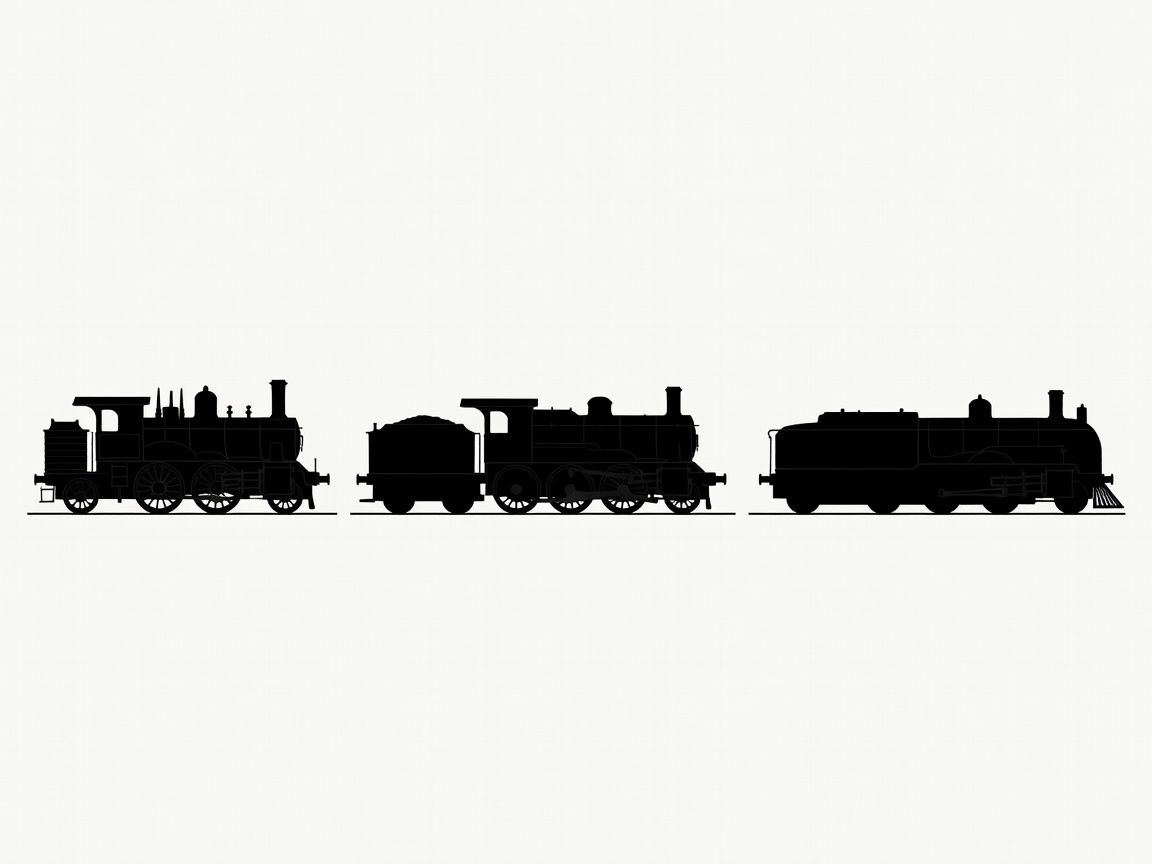
Heritage railways also tell a bigger story. In under a century, locomotives went from the tentative 1829 Rainhill Trials to streamlined express engines running over 100 mph. That change redrew maps, standardised time and made the seaside holiday possible.
Journey summaries
Machines and lines to seek out
Rocket
- 1829
- Rainhill Trials
George and Robert Stephenson's locomotive won the trials for the Liverpool and Manchester Railway and set the pattern for steam engines that followed.
Flying Scotsman
- LNER A3
- 100 mph in 1934
Officially recorded as the first steam locomotive to reach 100 mph, on 30 November 1934. It is cared for by the National Railway Museum and still makes tour appearances.
Mallard
- LNER A4
- 126 mph, 1938
Holds the world speed record for steam traction, set on 3 July 1938. Displayed at the National Railway Museum in York.
Durango & Silverton
- Colorado
- Since 1882
- Narrow gauge
A steam-hauled line through the Animas River canyon, built to carry silver and gold ore and now one of America's best-known heritage trips.
Stop by stop
The Jacobite, Fort William to Mallaig
- Fort WilliamDeparture beneath Ben Nevis, Britain's highest mountain.
- BanavieCrossing the Caledonian Canal near Neptune's Staircase lock flight.
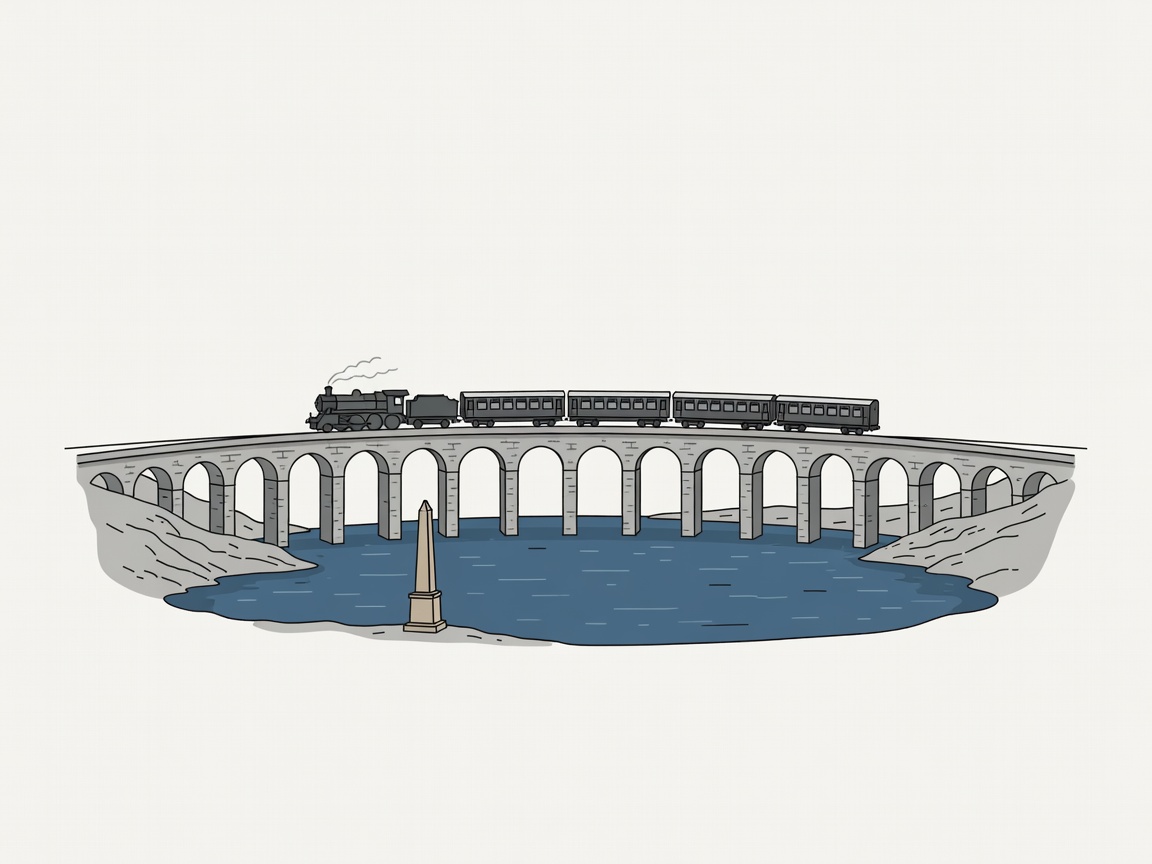
- Glenfinnan ViaductCompleted in 1901, 21 concrete arches above Loch Shiel — look left heading west.
- Glenfinnan stationA stop with a small railway museum.
- Arisaig and MorarWhite sands and views to the Small Isles.
- MallaigA fishing harbour and ferries to Skye.
Scenic appeal versus practical reality
Heritage railways are largely seasonal and often run by volunteers. Steam days may be limited to weekends, school holidays or summer only, and timetables change each year. Popular trains such as the Jacobite can sell out months ahead, and premium first-class seats go first. Narrow-gauge lines in Wales — the Ffestiniog and Welsh Highland, or the Snowdon Mountain Railway's rack line from Llanberis — are equally weather-dependent.
If you want to see rather than ride, museums are reliable year-round. The National Railway Museum in York holds Mallard and many record-breakers; Union Pacific's restored Big Boy No. 4014, returned to steam in 2019, tours occasionally in the United States.
Service caveats
- During high fire risk, operators may substitute diesel traction for steam at short notice.
- Older carriages may have limited step-free access; ask before booking.
- Opening windows mean smoke and smuts — dress accordingly.
- Mainline steam tours are charters with their own booking rules and refund terms.