How the shore unfolds
Light, tide and tunnels set the tempo
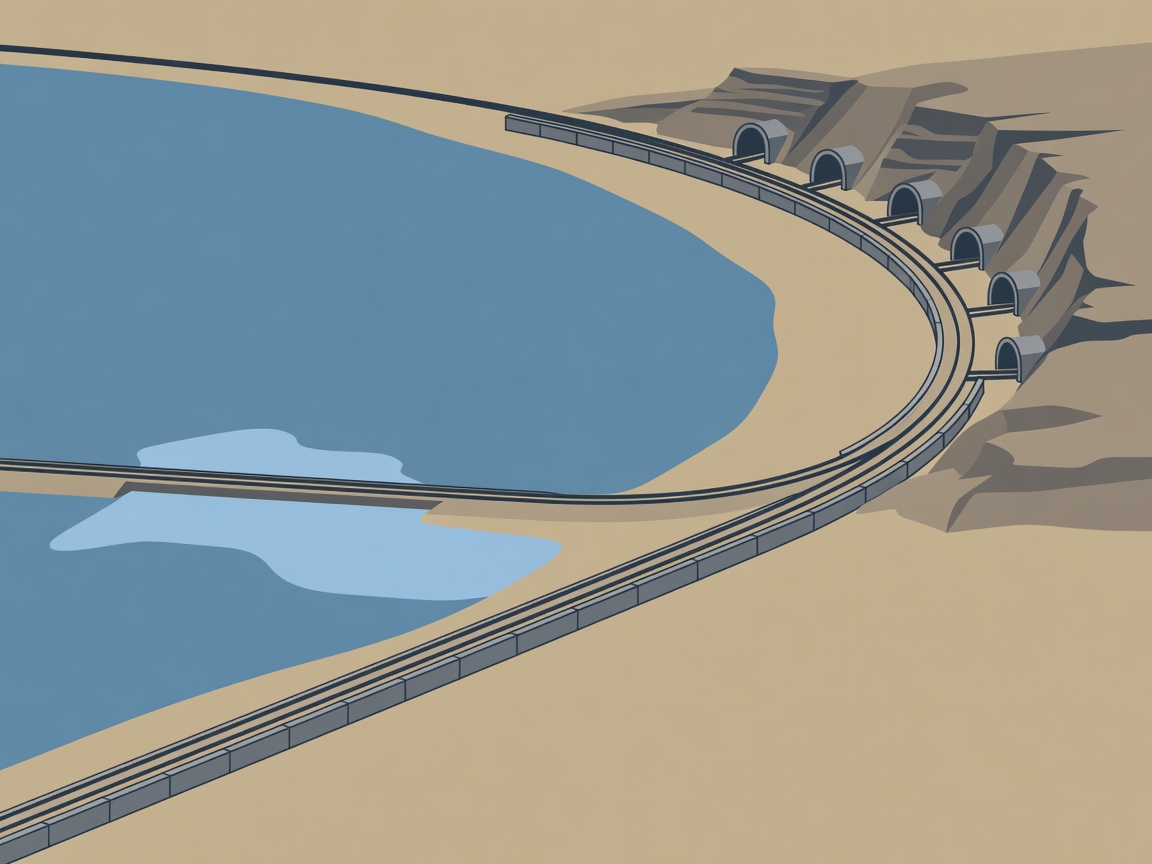
Railway builders followed the coast because it was flat, not because it was beautiful. The result is a set of lines squeezed between cliff and sea, where the view is immediate and changes with every hour of the day. At high tide a sea-wall section feels like riding on the water; at low tide the same stretch reveals rock pools, wading birds and fishing boats sitting on the sand.
Coastal routes rarely offer one long panorama. They alternate: a tunnel, a flash of bay, a harbour town, another tunnel. Learning that rhythm — and sitting on the seaward side — is the difference between glimpsing the coast and watching it.
Journey summaries
Coastal lines with the sea at the window
Riviera Line, Devon
- Exeter – Newton Abbot
- Sea wall
- Sit seaward
Brunel's line runs along the Exe estuary and then the sea wall at Dawlish. Storms breached the wall in February 2014, closing the line for about two months; a new, higher wall has since been built.
Cinque Terre Line
- Levanto – La Spezia
- Short hops
- Many tunnels
Regional trains link the five villages in minutes. Much of the line is in tunnel, so the views come in bright bursts as stations open onto the sea.
Pacific Surfliner
- San Diego – San Luis Obispo
- Ocean side: west
Long stretches near Del Mar, San Clemente and north of Santa Barbara run within sight of the Pacific. Bluff erosion has caused repeated temporary closures.
Cumbrian Coast Line
- Carlisle – Barrow-in-Furness
- Quiet and slow
A local line along the Irish Sea, with estuary crossings and Lake District fells inland. Infrequent services make it a day to plan carefully.
Stop by stop
Exeter to Newton Abbot along the water
- Exeter St DavidsTake a seat on the left heading west for the estuary and sea.
- StarcrossMudflats, birds and the ferry across the Exe to Exmouth.
- Dawlish WarrenDunes and a long sand spit at the estuary mouth.
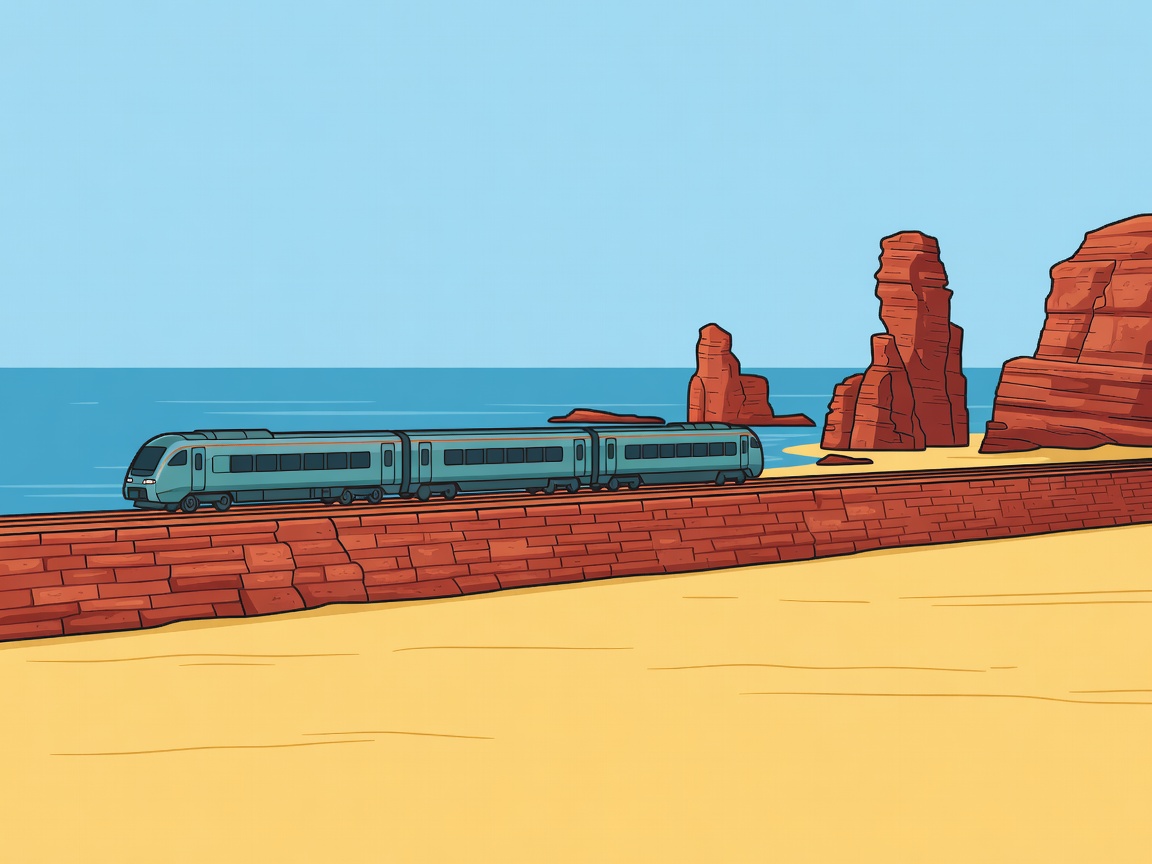
- DawlishThe station sits on the sea wall; red sandstone stacks follow.
- TeignmouthMore sea wall, then a turn inland along the Teign estuary.
- Newton AbbotThe coast is behind you; the line continues towards Plymouth and Cornwall.
Scenic appeal versus practical reality
The most spectacular coastal sections are also the most exposed. Sea walls, cliff cuttings and bluff-top alignments suffer when wind and waves combine with high tides. Operators may cancel or bus-replace services at short notice, and on some lines trains are held when waves overtop the wall. If the coast is the point of your trip, build in a spare day.
Longer coastal journeys add range: Amtrak's Coast Starlight between Seattle and Los Angeles spends hours along the Pacific between San Luis Obispo and Santa Barbara, while Japan and Norway both have local lines where the sea appears between villages. These are less about a single view and more about the slow procession of harbours.
Service caveats
- Seat sides matter more than on any other type of route; reserve if the operator allows it.
- Storm closures are most likely in winter; check service updates on the morning of travel.
- Local coastal trains can be crowded in summer, especially in the Cinque Terre.
- Many short coastal lines run hourly or less — miss one and the wait is long.